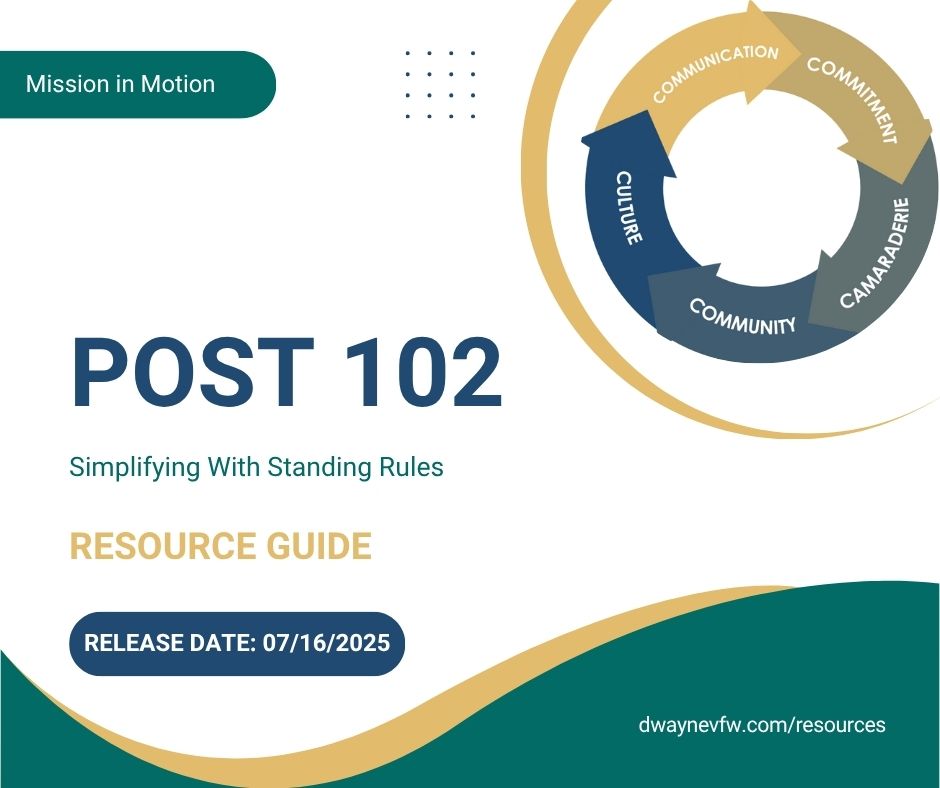
For a VFW Post to thrive, it must grow, and successful growth begins with how we welcome and communicate with new and transferring members. Post leaders and other active members of a Post MUST be mindful of the importance of building an immediate connection, providing clarity, and establishing a foundation of camaraderie, ensuring that each new face feels like they’ve come home. Whether a member just returned from deployment, relocated for work, or transferred to find a more active Post, the first few weeks are critical to their future engagement. Let’s strengthen that welcome into the Post, establishing a stronger foundation of trust, belonging, and communication right from the very beginning!
The Importance of the First Impression
The VFW is built on camaraderie and shared purpose, but those values only come to life through intentional actions. When a new or transferring member first interacts with a Post, either in person or virtually (i.e. phone or email), the tone and responsiveness of that interaction shapes their expectations; it provides that initial, first impression. Are we timely in welcoming them? Are we clear about opportunities to get involved? Are we showing genuine interest in their service and goals? Are we adding value to their lives, or are we just wasting their time? Do they feel like this experience is going to be a two-way street?
An impersonal or delayed response often leads to disengagement, but a warm, personalized welcome from Post leadership immediately signals that your VFW Post values every member – deeds, not just words.
Building a Welcome Communication Plan
Every Post should develop a standard onboarding communication plan; while each Post can customize it to their liking, these components should be heavily considered when communicating with new VFW members and with transferring members:
- Immediate Contact – Within 48 hours of receiving a transfer or new member notification, reach out with a personal message. Heck, reach out after getting the application while you await approval and processing by the Post!
- Welcome Packet – Include a physical or digital packet with:
- Post contact list
- Calendar of upcoming events
- Mission statement and ongoing initiatives
- List of committees and volunteer opportunities
- For new members, include some additional content to help them understand what the VFW is all about.
- Assigned Point of Contact – Assign a “member sponsor” or mentor to serve as a go-to contact for their first 30-60 days.
- Invitation to First Event – Make the first interaction a social one; When possible try to get that first big interaction at a fun Post event instead of a boring or drama-filled Post meeting. An invite to a BBQ, service project, or coffee meetup is a great opportunity for an amazing first impression.
Getting to Know Their “Why?”
When someone joins or transfers to your Post, take time to understand their personal why. Are they seeking camaraderie? Do they want to mentor younger veterans? Are they passionate about service, advocacy, or community events? Listen closely, and tailor your communications to align with their interests and goals.
One-on-one conversations and an simple survey can reveal what matters most to new members. From there, you can connect them with the right people or programs, reducing the risk of early dropout and increasing long-term satisfaction.
Establishing Expectations and Value
Many new members disengage because they don’t understand how the Post operates or where they fit in. Understand their desired commitment level and expectation, and share clear communication about the following areas to avoid confusion and feelings of exclusion:
- Meeting frequency and structure
- Volunteer expectations (if any)
- Member benefits and resources
- Leadership pathways
Make It Ongoing
Welcoming a member isn’t a one-time task. It does NOT have an expiration date; it’s a continuous process. The VFW is veterans service organization that is member-driven. Establishing a 30-day, 60-day, and 90-day check-in cadence helps ensure ongoing dialogue. These check-ins could be simple emails, texts, or calls that ask: “How are things going? Is there anything we can help with? Are there any ideas you’d like to share?”
This feedback loop not only helps retain members but also improves your onboarding process for future members. Transparency builds trust, and trust builds buy-in. Let your positive actions build the right experience and overall momentum for your Post.
Leveraging Technology
Email newsletters, social media, and text groups can keep new and transferring members informed, especially if they’re not attending meetings regularly. Create specific communication segments for new members to share tips, reminders, or spotlights on programs they might enjoy. Seek feedback that is actionable, and then provide the appropriate follow-up.
Empowering Connection through Leadership
Post officers and senior members should model active, intentional engagement. When leaders consistently introduce new members at meetings, share their stories, or encourage them to participate, it normalizes a culture of inclusion. Post members turn to leaders and mimic their actions – lead by example, and the Post members will follow!
Even a small gesture, like saving a seat for a new member at a dinner event or calling them by name at a meeting, sends a powerful message: You belong here.
Closing Thoughts
Remember that communication is more than words; it’s connection, commitment, and care. The way we greet and guide our newest members sets the tone for their entire VFW journey. A consistent, compassionate, and thoughtful communication approach will not only strengthen your Post but also ensure that every veteran who walks through your doors knows they have a place to call home.
Because in the VFW, no one should feel like a stranger, especially those who’ve already served our country.