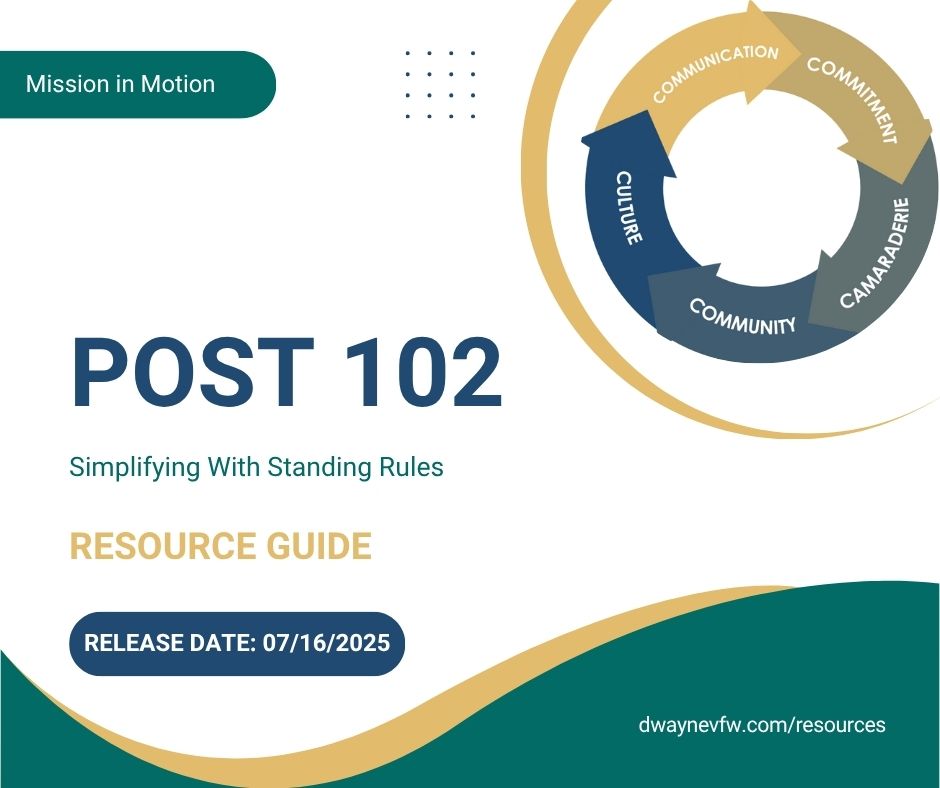
In every VFW Post, there are members whose involvement has tapered off over time. Some may be dealing with life’s challenges like illness, isolation, or transitions. Other comrades might feel disconnected, forgotten, or unwelcome within the Post. Post leadership should be focusing on revitalizing those connections by building a deliberate, compassionate, and structured communication plan to reengage with those comrades.
Understanding the “Why” Behind Inactivity
Before effective communication can occur, Post leaders must understand the reasons why those members disengage. In some cases, those members have physical or mental health limitations that make Post visits difficult. On the other hand, some comrades may have had a negative experience, felt unwelcome, or simply lost touch during life changes. Recognizing these root causes is the first step toward tailoring outreach that is empathetic rather than transactional.
Reaching out with curiosity and care, not criticism, will always lead to better outcomes. Having an idea of what you want to say to all who have become inactive is helpful, but be flexible to incorporate adaptive elements, allowing for a more customized experience.
Segmenting At-Risk Members for Outreach
To communicate effectively, it’s essential to identify which members fall into the “at-risk” or “inactive” category. Some segments or categories Post leadership should consider are:
- Members who haven’t attended a meeting or event in 6-12 months
- Older members who may have mobility or health challenges
- Recently transferred members who haven’t been welcomed
- Members who have experienced personal loss or hardship
- Veterans who’ve disengaged following conflicts within the Post
- Unpaid members who haven’t been active in the last few years (or even since the COVID 19 pandemic)
Creating these segments allows for more thoughtful, personalized outreach.
Outreach That Matters
It is important to think about each category of comrades in the at-risk and inactive pool. Connecting back with them should include old-school approaches AND modern tools, like:
- Phone calls: A simple call from a Post officer, committee member, buddy check squad leader, or peer can go a long way in making someone feel seen and heard. Avoid mass-calling tactics. Instead, assign calls with intention and empathy. Take the time and listen!
- Buddy Checks: Reframe these as quarterly, semi-annually, or year-round wellness check-ins, not just some sales call that pushes renewal or upgrade of their membership. Whenever possible, pair callers with members they know.
- Handwritten notes and cards: Especially for older or offline members, personalized cards around birthdays, holidays, or milestones are powerful tools of connection. Never underestimate the power of a handwritten note!
- Drop-ins and home visits: When appropriate and welcomed, a home visit can renew a bond and provide needed support. You want to find a good time to go and not be inconvenient for them, but that in-person visit matters.
- Digital check-ins: Emails or social media messages (when used respectfully) allow for informal follow-ups, especially for younger or tech-savvy members. Check in but also follow-up; see if they are engaging those message formats. If they are not, use another outreach method.
What to Say
Ultimately, the goal is to express genuine concern, gratitude, and an open door. Avoid starting with Post needs or upcoming dues. Start with “We miss you,” “You matter,” or “Is there anything you need from us?” Ask open-ended questions that bring them into the center of the conversation. Most importantly, listen!
From Outreach to Inclusion
The final step is to ensure that, once an inactive member responds, the Post is ready to welcome them back with purpose. That may mean assigning a mentor, giving them a role that matches their interests or skill set, or simply ensuring a warm, welcoming environment at events. If they had a bad experience at or with the Post, getting that second chance can be extremely difficult. If you get that second chance, DON’T BLOW IT!
Real leadership is shown not only by those who are present but by how we care for those who aren’t. Through thoughtful communication, we can bring more of our comrades back into the fold, restoring their connection to mission, camaraderie, and community.